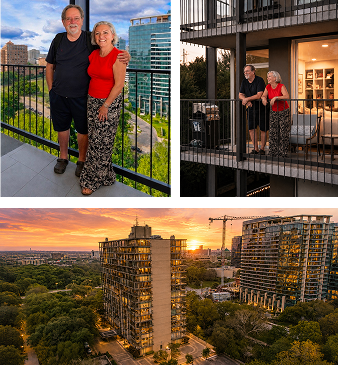
Retirement, Redesigned Around the Life They Wanted
John Crawley and Michele Stephens spent decades building rewarding careers in advertising, where long days, demanding schedules, and constant attention to detail...
Read full story →


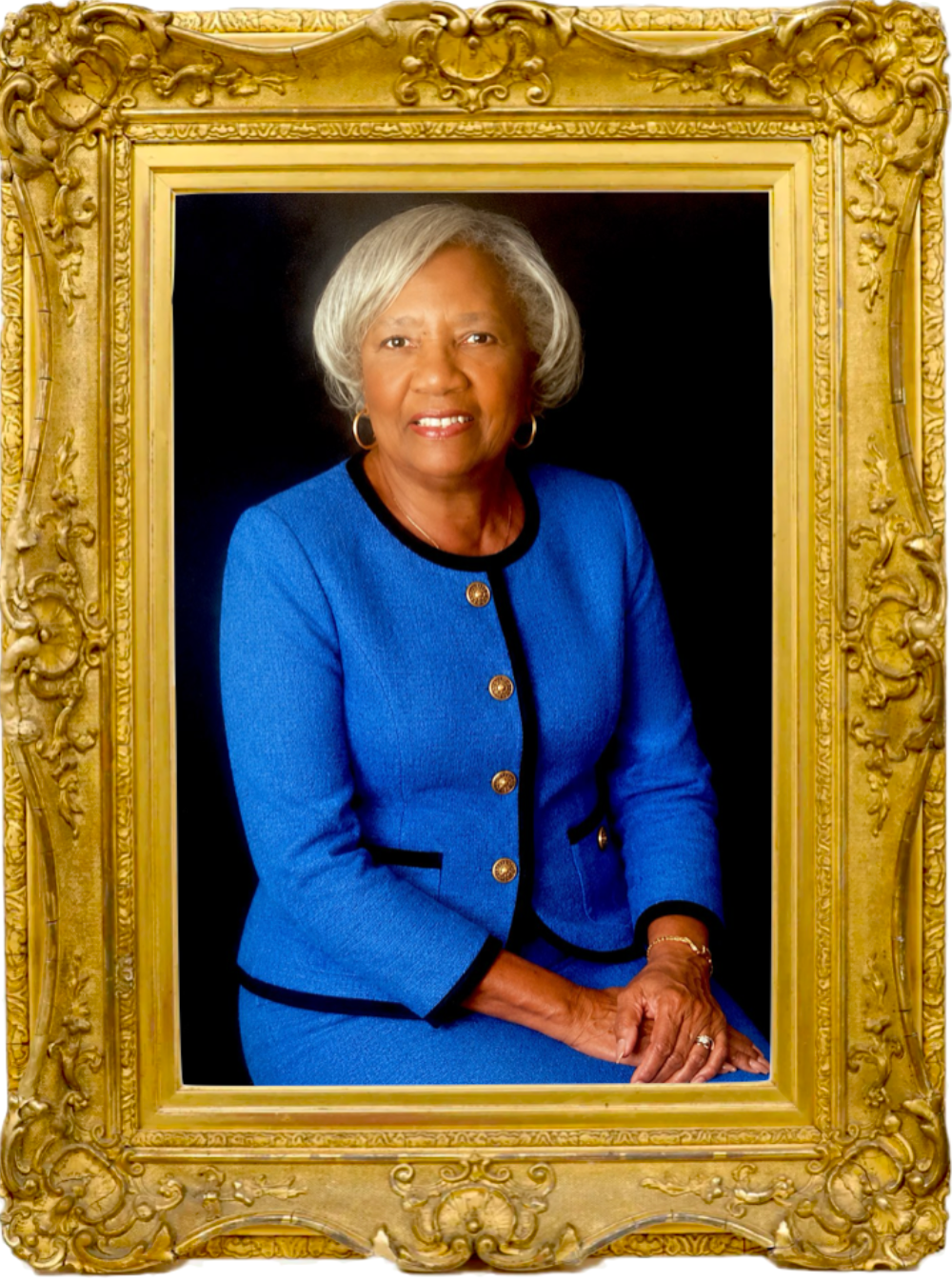
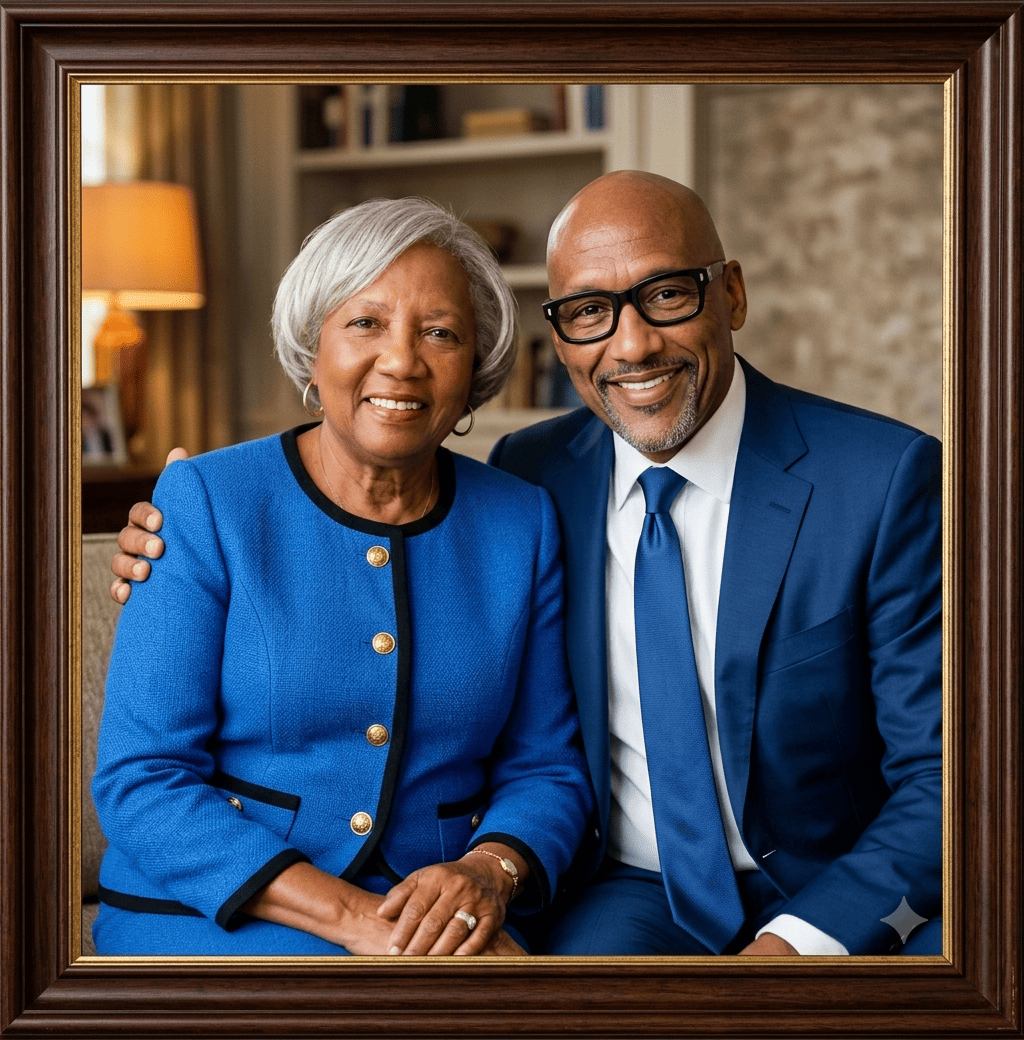
In 2012, I began helping my widowed mother — Georgia Mae “Mustang Sally” Powell — navigate the challenges of aging. What started as helping with bills and household responsibilities eventually led to me becoming her primary caregiver and moving into her home until she passed away at age 84.
That experience changed my life and inspired my mission: to help other families navigate the same decisions made gradually — with clarity, confidence, and peace of mind.
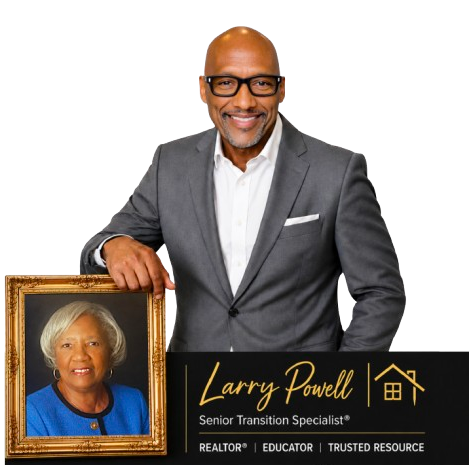
I’m Larry Powell, a Senior Transition Specialist, REALTOR®, Educator, and Trusted Resource dedicated to helping adults 55+, retirees, downsizers, and their families make confident decisions about their next chapter.
For more than 30 years, I’ve helped people solve complex challenges through strategic planning, communication, and education. As a university professor and former advertising executive, I’ve built brands, mentored future professionals, and led award-winning teams. Today, I bring those same skills to guiding families through important housing and lifestyle transitions.
My approach is also deeply personal. After helping care for my own mother as she navigated the later stages of life, I experienced firsthand the emotional, financial, and practical decisions that families often face. That experience inspired me to become a Senior Real Estate Specialist (SRES®) and devote my real estate practice to serving seniors and their loved ones with empathy, clarity, and trusted guidance.
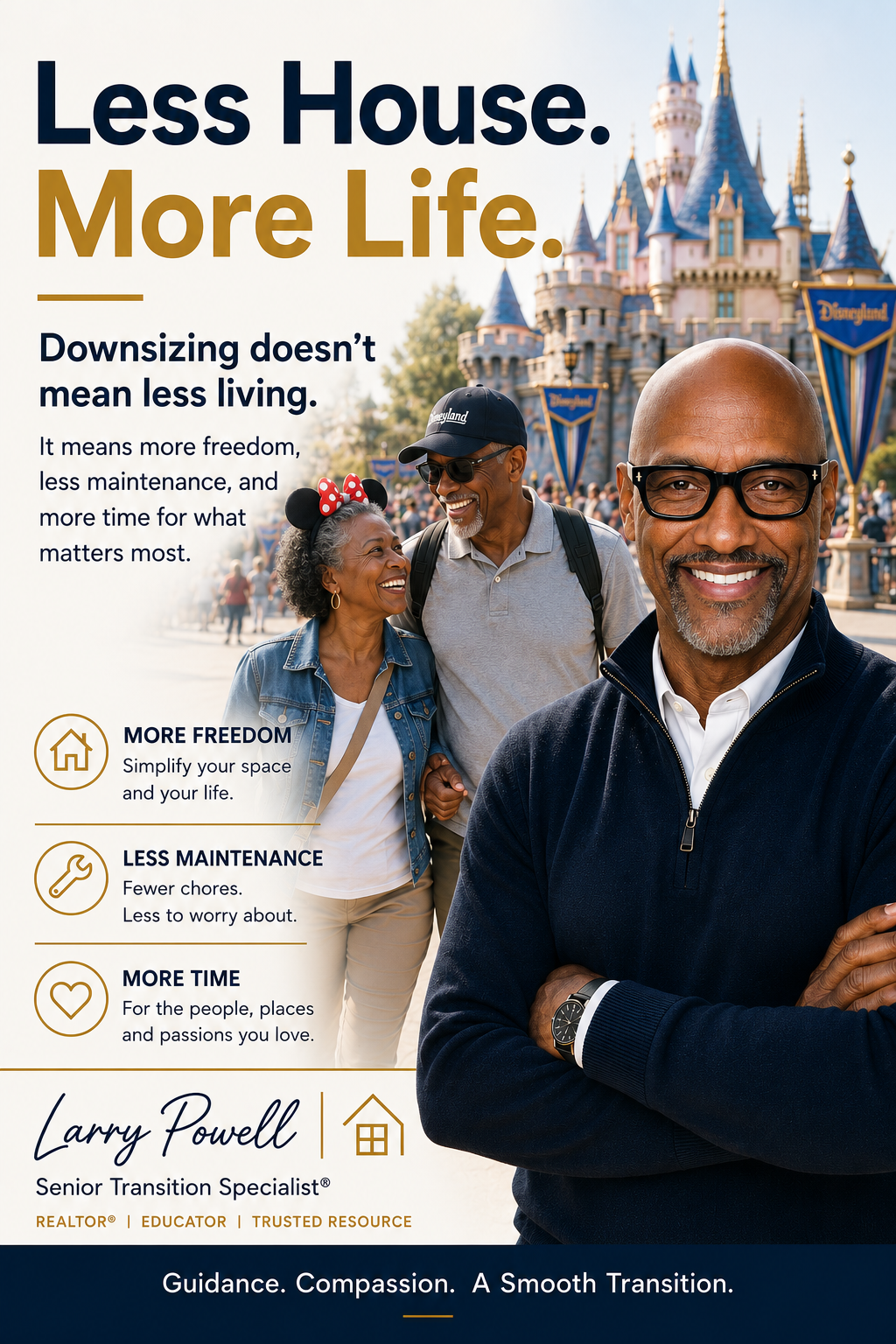
Whether you’re considering downsizing, aging in place, relocating for retirement, exploring 55+ communities, or helping a parent make difficult decisions, I’m here to help you understand your options and move forward with confidence. Less House. More Life.
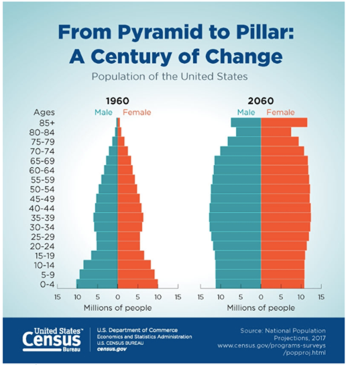
People are living longer than ever. The number of Americans age 85 and older is expected to nearly triple in the coming decades.
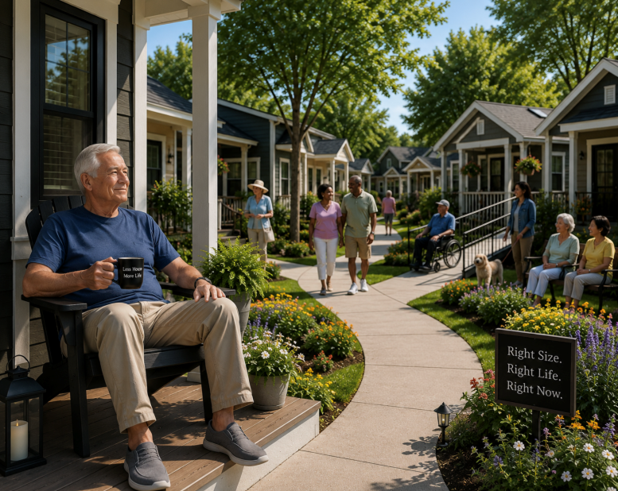
Forget the stereotypes. Today’s communities feel more like resorts — and the right fit can mean more freedom, more friendships, and less worry.
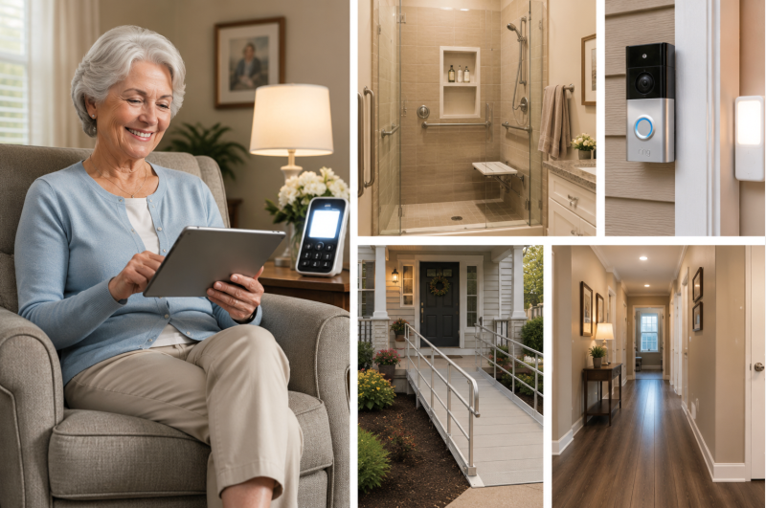
Many older adults prefer to remain in the home they love. With smart modifications, modern technology, and the right support, aging in place is more accessible than ever.
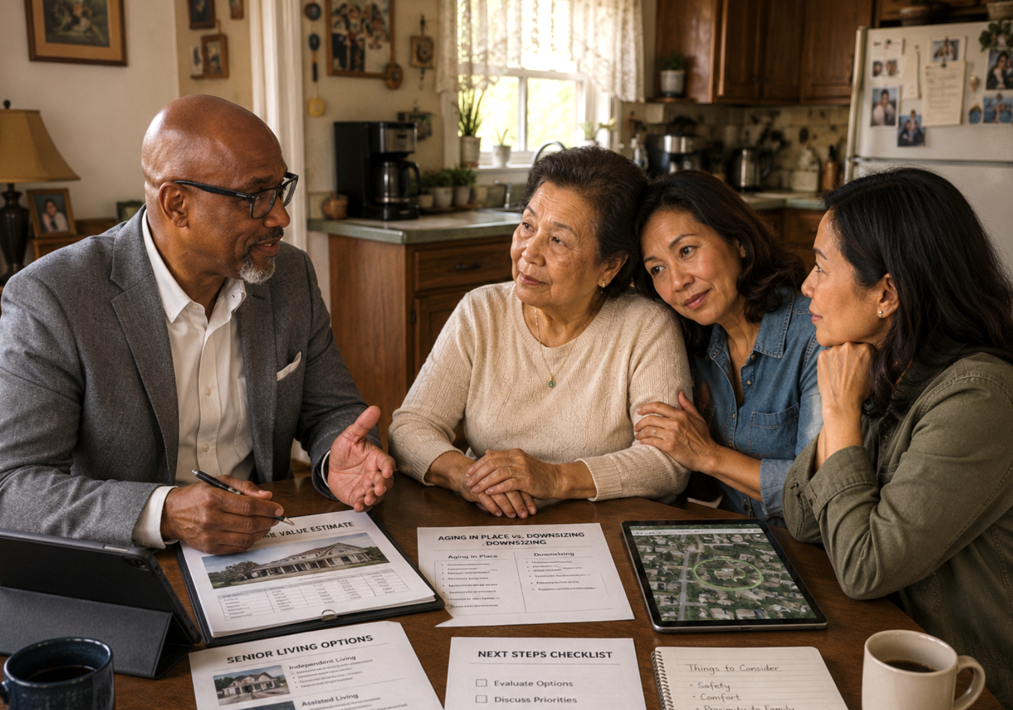
Few life transitions are more emotional than helping aging
parents make housing decisions. Questions arise quickly.
Concerns grow. Emotions run high.
You don’t have to navigate it alone. We help families understand
their options and make informed decisions with dignity and
compassion.
Senior Transition Specialist®
Traveling. Learning. Volunteering. Grandchildren. Fitness. Faith. Friendships. Adventure. Purpose. The housing choices you make today can support the life you want tomorrow.
The right move can create more ease, more laughter, and more people around you.
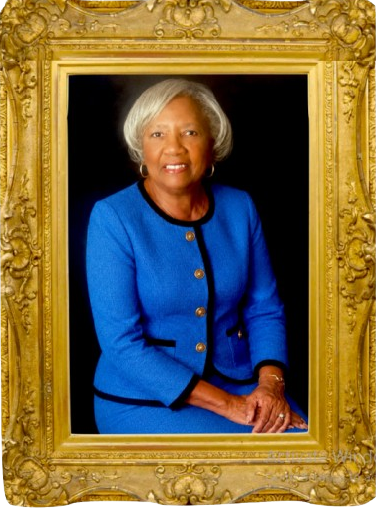
Her name was Georgia Mae Stephenson Powell. We called her “Mustang Sally” — and if you knew her, you understood why. She loved family gatherings, church events, thrift store treasures, and long conversations with friends.
When my father disappeared on Flying Tiger Line Flight 739, she was 29 — suddenly raising four young boys alone. She never quit. She believed in education, faith, and that life was meant to be lived.
Years later, when Mustang Sally began to slow down, We learned the most important lesson of my career: senior transitions are rarely about houses. They’re about people, relationships, memories, and identity.
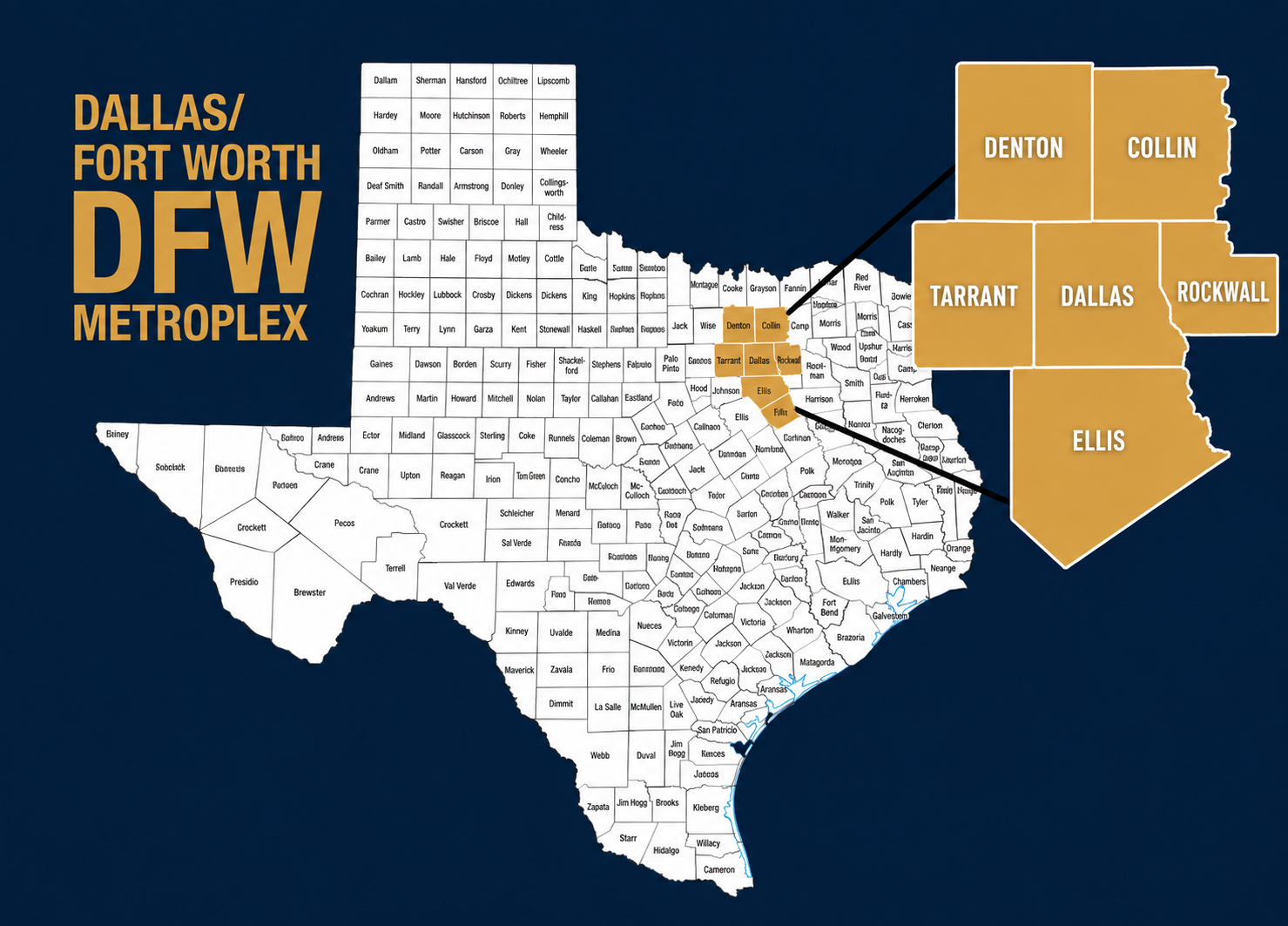
Larry Powell is a Texas REALTOR®, Senior Transition Specialist®, Senior Real Estate Specialist (SRES®), educator, and trusted resource serving seniors, retirees, downsizers, empty nesters, adult children, and caregivers throughout Dallas-Fort Worth and North Texas.
Larry specializes in downsizing, retirement relocation, aging in place, 55+ communities, active adult communities, senior living transitions, inherited homes, estate property sales, probate real estate, memory care transitions, assisted living options, and helping families navigate housing decisions for aging parents.
With more than 12 years of real estate experience and a 30+ year background in advertising, marketing, and consumer behavior, Larry combines professional expertise with personal care giving experience to help clients make informed decisions with confidence.
A Double Centurion Award winner and frequent Top 21 Century 21 Mike Bowman agent, Larry also serves as an Assistant Professor of Practice at the University of North Texas and has taught at SMU, the University of Oklahoma, and the Missouri School of Journalism.
Whether you’re selling a longtime family home, downsizing for retirement, exploring senior housing options, or managing an inherited property, Larry provides trusted guidance, practical resources, and compassionate support throughout the process
John Crawley and Michele Stephens spent decades building rewarding careers in advertising, where long days, demanding schedules, and constant attention to detail...
Read full story →
One of the most rewarding parts of my work as a Senior Transition Specialist® is helping families navigate major life transitions with...
Read full story →
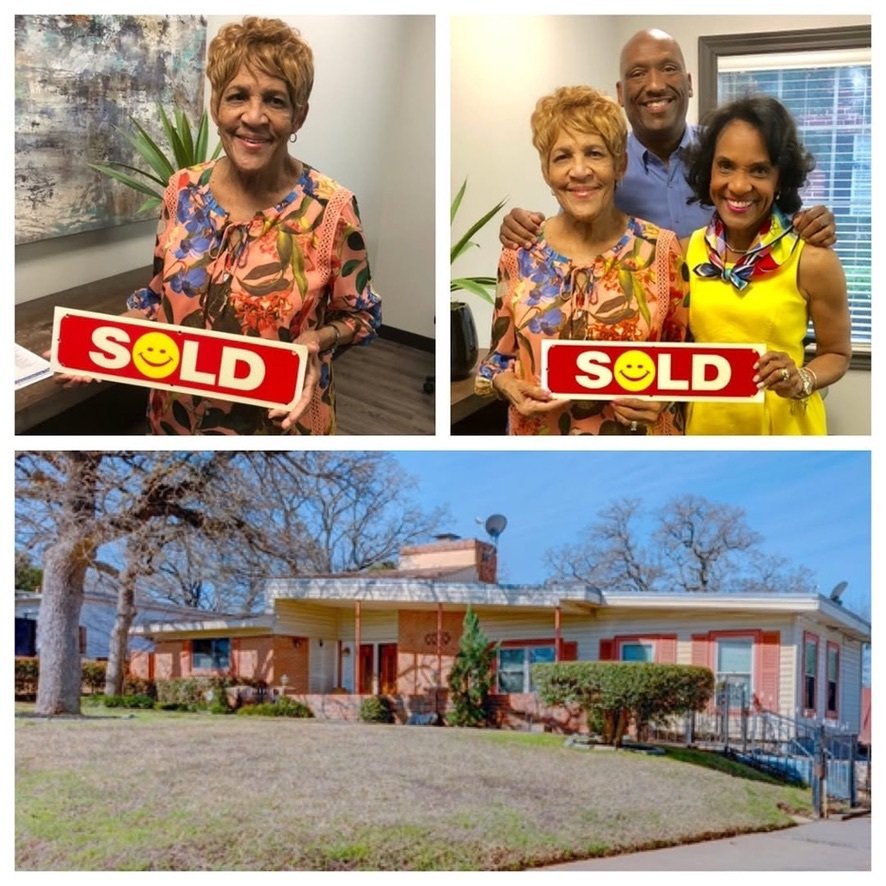
A Full-Circle Moment One of the greatest rewards of my work as a Senior Transition Specialist® is being trusted to help families...
Read full story →Whether you’re 55 and beginning to explore what’s next, already enjoying retirement at 65, or helping an aging parent navigate important housing decisions, planning early gives you more choices, greater peace of mind, and less stress. As Senior Transition Specialists, REALTORS®, and educators, we provide objective guidance to help you understand your options, weigh the pros and cons, and make confident decisions at your own pace. Whether you choose to age in place, downsize, move closer to family, or explore senior living, our goal is to help you find the path that’s right for you.

Not every move begins with moving. We'll help you explore whether staying in your current home is the right choice by discussing safety, accessibility, home modifications, and local resources that support independent living.
Downsizing is about creating space for what matters most. We'll guide you through the emotional and practical aspects of simplifying your home while maximizing its value and preparing for your next chapter.
Supporting aging parents often means balancing independence, safety, finances, and family dynamics. We'll help you understand the available housing options and serve as a trusted resource throughout the decision-making process.
From independent living and active adult communities to assisted living and memory care, we'll help you understand the differences, compare your options, and make confident decisions that fit your lifestyle, health, and budget.
Living doesn't have to mean living alone. Shared living with a compatible roommate can reduce expenses, ease loneliness, and provide an added sense of safety and companionship while maintaining independence.
Whether you're navigating an inherited home, helping settle an estate, or making difficult family decisions, we'll provide trusted guidance to help everyone move forward with clarity, compassion, and confidence.
When buying or selling becomes part of your transition, we'll put more than a decade of real estate experience to work for you. From preparing your home for market to finding the right next home, we'll guide you every step of the way.
Inherited property, estate situations, and housing transitions.
Too many options. Too many emotions. Too many decisions. My role is to help families move from confusion to clarity — one step at a time.
During my career as an advertising professional, I helped some of the world's best-known brands tell their stories. As a college professor for more than two decades, I also spent years helping students communicate clearly, build trust, and make confident decisions.
About twelve years ago, I added another chapter to my own story by becoming a Realtor®. While I enjoyed helping people buy and sell homes, it didn't take long to discover where my heart truly belonged. It was helping older adults and their families navigate one of life's most emotional transitions.
That passion became deeply personal when my own mother began experiencing memory loss.
Like so many families, my brothers and I suddenly found ourselves asking questions we never expected to face. Should Mom remain in her home? Would assisted living be the right choice? When should those conversations happen? How could we honor her independence while also keeping her safe?
Over the years, we toured independent living, assisted living, and memory care communities together. After exploring every option, we realized what Mom wanted most was to remain in the home she loved for as long as possible.
Together, we made that happen.
After she passed away, our family faced another journey: sorting through a lifetime of memories, preparing her home, conducting an estate sale, and eventually selling the family home.
Living through that experience changed me. It taught me that the biggest challenge families face isn't simply selling a house. It's making decisions.
I've seen firsthand how uncertainty becomes decision anxiety, and how decision anxiety often becomes decision paralysis. Too often, families wait until a health crisis forces difficult choices, when emotions are high and options become limited.
I believe there's a better way. The best time to begin these conversations isn't during a crisis. It's years earlier, while life is still good, health is still strong, and every option is still available.
That's why I focus on helping adults age 55 and older begin planning before they have to.
Whether you're exploring what retirement could look like, considering downsizing, wondering if aging in place is the right choice, helping your parents navigate their next chapter, or preparing to sell a longtime family home, my role is to help you understand your options so you can move forward with confidence.
My background as an educator shapes everything I do. I believe informed people make better decisions. Rather than telling clients what they should do, I help them understand the possibilities so they can choose the path that's right for them.
Today, as a Senior Transition Specialist®, Realtor®, educator, and lifelong teacher, my mission is simple:
• To help seniors and their families replace uncertainty with clarity.
• Replace overwhelm with confidence.
Because retirement isn't just about having less house. It's about creating room for more life.
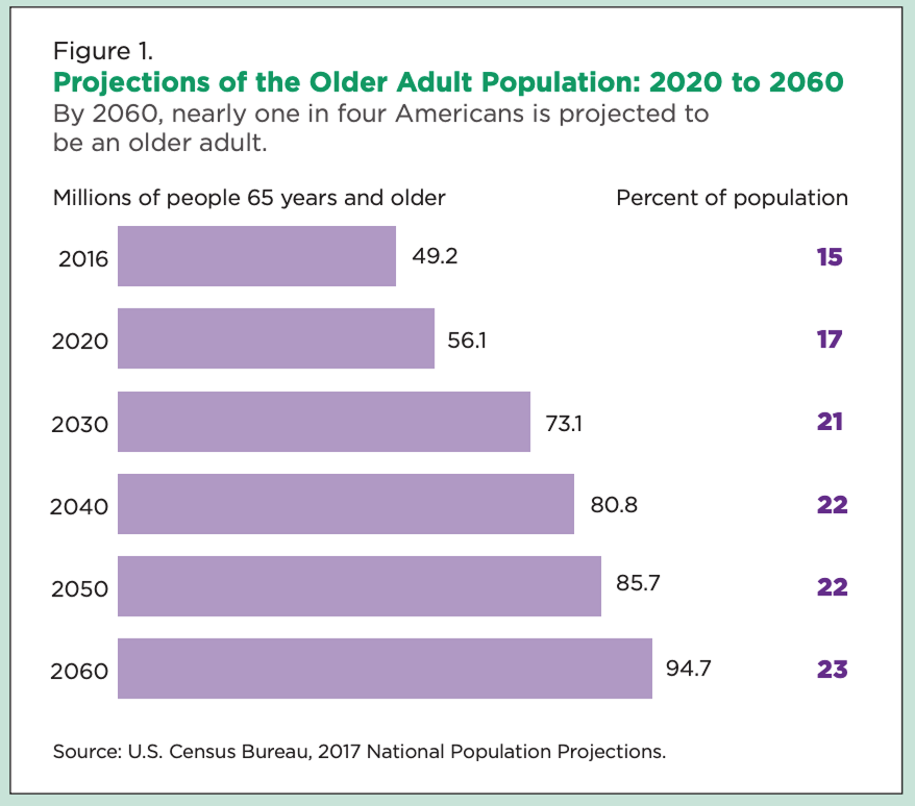
People are living longer than ever. The number of Americans age 85 and older is expected to nearly triple in the coming decades. Is Your Family Prepared? The United States is experiencing a historic demographic shift. Millions of Baby Boomers are moving further into retirement, while Americans are also living longer. This transformation is changing how individuals and families think about housing, caregiving, financial planning and the next chapter of life. According to the U.S. Census Bureau, the population age 65 and older grew to approximately 59.2 million people in 2023, an increase of 9.4% in just three years. The older population increased in nearly every metropolitan area in the country. By 2030, all Baby Boomers will be older than 65, and approximately one in every five Americans is projected to be of retirement age. By 2034, older adults are expected to outnumber children for the first time in U.S. history. The growth will be especially significant among the oldest Americans. Census Bureau projections indicate that the population age 85 and older could triple by 2060, creating greater demand for accessible housing, in-home care, assisted living and family caregiving support.
greater demand for accessible housing, in-home care, assisted living and family caregiving support.
America’s Older Population Is Growing
Projected percentage of the U.S. population age 65 and older. Source: U.S. Census Bureau population projections.
By the Numbers
59.2 MILLION
Americans were age 65 or older in 2023.
1 IN 5
Americans is projected to be of retirement age by 2030.
3×
The population age 85 and older could triple by 2060.
60%
Of independently living older adults surveyed said they would prefer to remain in their home with caregiving assistance if they could no longer live there independently.
Most Older Adults Want to Remain at Home
A 2026 Pew Research Center study found that 93% of adults age 65 and older currently live in their own home or apartment. Among those living independently without a caregiver, 60% said they would prefer to remain at home and receive assistance if they could no longer manage entirely on their own.
However, only 37% of those who preferred that arrangement believed it was extremely or very likely to happen. This gap between what older adults want and what they believe will be possible highlights the importance of planning before a health, housing or family crisis occurs.
For many families, the question is not simply:
“Where will I live?”
The more important question is:
“How do I want to live, and what should I do now to make that possible?”
Whether the right choice is aging in place, downsizing, moving closer to family or transitioning to a senior living community, early planning creates more choices, greater control and less stress.
The Best Transitions Begin Before They Become Urgent
You do not have to make every decision today. But starting the conversation today can help you protect your independence, preserve your options and move forward with confidence.
Less House. More Life.
According to the U.S. Census Bureau, Americans age 85 and older are projected to increase from approximately 6.7 million in 2020 to about 19 million by 2060, nearly tripling over four decades. This makes the oldest Americans one of the fastest-growing segments of the U.S. population.
As life expectancy continues to rise, more families will face important decisions about aging in place, downsizing, caregiving, accessibility, and senior living options. Planning before a crisis gives older adults more choices, greater independence, and more control over how they want to live.
Suggested Callout
The greatest housing challenge of the next 30 years won’t be building more homes. It will be helping millions of older Americans live safely, comfortably, and with dignity.
A Demographic Turning Point
2030 Changes Everything
According to the U.S. Census Bureau, 2030 will mark one of the most significant demographic milestones in American history.
🧓 Every Baby Boomer Will Be 65+
Beginning in 2030, every member of the Baby Boomer generation will be at least 65 years old.
That means millions more Americans will be making decisions about retirement, downsizing, caregiving, and where they want to spend the next chapter of life.
Source: U.S. Census Bureau
👥 One in Five Americans
By 2030, approximately
1 in 5 Americans
will be age 65 or older.
Never before has such a large percentage of our population reached retirement age at the same time.
Source: U.S. Census Bureau
👧👦 A Historic First
By 2035…
For the first time in U.S. history, adults age 65 and older are projected to outnumber children under 18.
This milestone will influence everything from housing and healthcare to transportation and community planning.
Source: U.S. Census Bureau
🌎 America Will Continue Growing
Although population growth is expected to slow, the United States is still projected to add approximately
78 Million People
between 2020 and 2060.
The U.S. population is expected to exceed
400 Million
around 2058.
Source: U.S. Census Bureau
🌍 America Is Becoming More Diverse
Over the coming decades, the United States is projected to become
✔ Older
✔ More racially diverse
✔ More ethnically diverse
Communities, neighborhoods, and housing choices will continue to evolve to meet the needs of this changing population.
Source: U.S. Census Bureau
Retirement Isn’t What It Used to Be
Americans are living longer, healthier, and more active lives than previous generations. According to the Centers for Disease Control and Prevention (CDC), a person who reaches age 65 today can often expect to live nearly two more decades. That means retirement is no longer the final chapter of life, it’s often the beginning of an entirely new one.
As a result, today’s retirees are asking different questions than their parents did.
“How do I want to live?” has become just as important as “Where do I want to live?”
According to AARP, nearly 75% of adults age 50 and older want to remain in their current home for as long as possible.
Many homeowners are choosing to remodel, improve accessibility, and make their homes safer rather than move.
Best for:
Source: AARP Home and Community Preferences Survey
Downsizing isn’t about giving something up.
It’s about creating room for what matters most.
Many retirees discover they spend less time cleaning and maintaining a home and more time traveling, volunteering, pursuing hobbies, and enjoying family.
As I like to say,
Less House. More Life.
Today’s 55+ communities look very different than they did a generation ago.
Residents enjoy walking trails, fitness centers, pickleball, pools, clubs, lifelong learning opportunities, and neighbors in similar stages of life.
Many people say they’ve become more socially active after moving.
Today’s 55+ communities look very different than they did a generation ago.
Residents enjoy walking trails, fitness centers, pickleball, pools, clubs, lifelong learning opportunities, and neighbors in similar stages of life.
Many people say they’ve become more socially active after moving.
Many older adults are discovering that sharing a home with another compatible adult can be one of retirement's smartest housing choices. Whether you're widowed, divorced, retired, or simply looking to simplify life, shared living may help reduce monthly expenses, provide companionship, increase safety, and make it possible to remain independent longer.
It's not the right solution for everyone, but for many retirees, it's an option worth exploring.
North Texas continues to experience rising property taxes, insurance premiums, utilities, and home maintenance costs. Sharing those expenses can make retirement income stretch further without sacrificing comfort. Fixed-income households often feel these increases most acutely. linger+1
Every dollar saved on housing is a dollar that can be used for travel, hobbies, grandchildren, healthcare, or simply enjoying retirement with greater confidence.
Living alone can become increasingly isolating after retirement, the loss of a spouse, or when children move away. Recent AARP research found that 40% of adults age 45 and older report feeling lonely, underscoring the importance of meaningful daily social connection. RP+1
Many people don't need assisted living.
They simply benefit from another trusted adult nearby.
Shared living can provide companionship, another set of eyes in an emergency, and peace of mind while preserving independence.
Adult children often worry when Mom or Dad lives alone.
Knowing someone is sharing the home can reduce anxiety for everyone while allowing parents to maintain their lifestyle.
Two people can often manage everyday life more easily than one.
Examples include:
For some homeowners, bringing in a compatible roommate may allow them to remain in the home they love for years longer than they otherwise could. Housing experts increasingly recognize shared living as one strategy that supports aging in place by reducing isolation and financial strain. Choices+1
It may be worth considering if you:
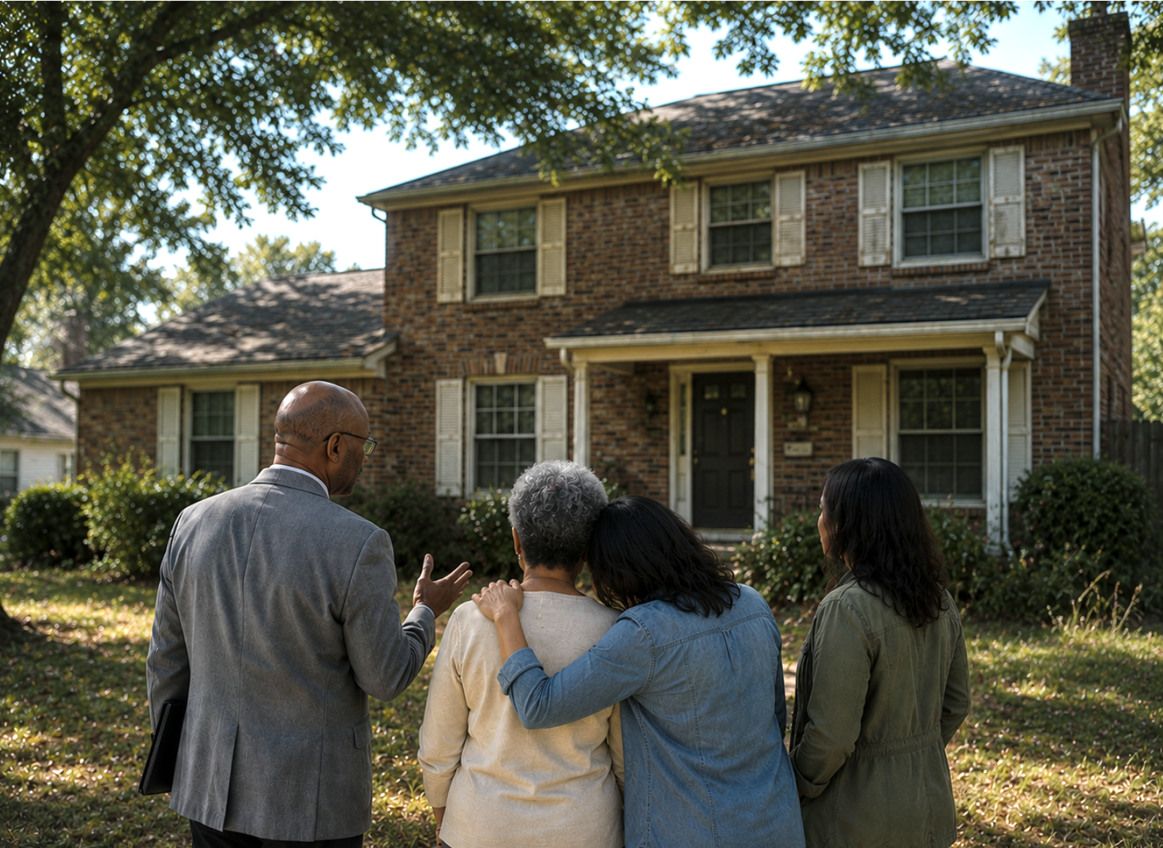
For some families, a move provides additional support, safety, and peace of mind.
Today’s senior living communities often offer restaurant-style dining, wellness programs, transportation, social activities, and personalized care designed to help residents remain as independent as possible.
Choosing a senior living community doesn’t mean giving up independence. For many people, it means gaining it.
Many retirees are choosing to move closer to children and grandchildren.
Being nearby can make family gatherings easier, provide additional support during health challenges, and create more opportunities to make lasting memories together.
For others, moving closer to family means relocating to an entirely different city or state.
DFW55Plus.com, Larry Powell, and Century 21 Mike Bowman, Inc. provide real estate information and housing-transition coordination. This assessment is an educational planning tool that identifies living arrangements and resources that may be worth exploring based solely on the answers provided. Results are generated through predefined matching rules and may be summarized with artificial intelligence. They are not a diagnosis, care assessment, capacity determination, appraisal, financial qualification, facility-admission decision, or recommendation to buy, sell, lease, move, or select a particular provider.
We are real estate professionals, not your attorneys, physicians, nurses, care managers, financial advisers, tax professionals, or facility-licensing authorities. This tool is not a substitute for advice from qualified legal, medical, healthcare, caregiving, financial, tax, insurance, accessibility, or other professionals who understand the principal’s circumstances. Services, costs, licensing, admission requirements, availability, and suitability vary and must be independently verified.
Housing and services are offered without discrimination. You remain free to explore any lawful housing option. Completing this assessment does not create a client or brokerage relationship, and submitting information does not guarantee a response or create emergency monitoring. Call 911 for immediate danger or urgent medical help. For suspected abuse, neglect, or exploitation of an older adult or adult with a disability in Texas, contact the Texas Abuse Hotline at 1-800-252-5400 or txabusehotline.org.
If you are completing this assessment for another person, involve the principal whenever possible and provide personal information only with permission or appropriate legal authority. Review the Privacy Notice before saving or submitting identifiable information. Consult your own advisers before acting on any result.